
Cable Testing Services in Nizamabad
Reliable Cable Networks Begin with Proper Testing
Electrical cables connect power sources, distribution panels, transformers and machinery. Their condition has a direct effect on how safely and efficiently electricity reaches different parts of a facility. A damaged cable, weakened insulation or loose termination can interrupt power supply and affect the equipment connected to it.
Risha Power Solution & Constructions provides Cable Testing Services in Nizamabad for industrial facilities, commercial buildings and electrical infrastructure projects. Our testing approach helps evaluate cable condition, identify possible defects and investigate problems affecting power distribution.
Cable faults are not always visible from the outside. Some develop beneath the ground, inside cable routes or around termination points. Appropriate testing helps gather electrical measurements and locate areas that need further inspection.
Whether you are preparing a new cable installation for commissioning or investigating repeated power interruptions, selecting the right testing method is important for understanding the condition of your cable network.
When Should You Arrange Cable Testing?
Waiting until a cable completely fails can lead to unexpected downtime and additional repair work. Certain operating conditions indicate that an electrical cable inspection or detailed assessment may be necessary.
Before Energising a New Installation: Newly installed cables should undergo appropriate checks before being connected to the electrical supply. This helps identify installation defects and connection issues.
After Underground Cable Repair: Testing after repair helps evaluate the repaired section and check whether the cable is suitable for returning to service.
Following Civil or Excavation Work: Construction activity near buried electrical routes may create a risk of accidental cable damage. Inspection and testing may be required if damage is suspected.
During Planned Maintenance: Periodic cable condition assessment provides useful information about insulation performance and electrical continuity.
After Repeated Circuit Tripping: Frequent protective-device operation may indicate cable damage, insulation problems, overloading or faults elsewhere in the circuit.
When Equipment Experiences Voltage Problems: Unexpected voltage variation may require examination of cable connections, conductor condition and the wider distribution system.
Before Expanding Electrical Capacity: Adding machinery or extending an electrical network may require checking whether existing cables are suitable for the intended load.
Why Choose Risha Power Solution & Constructions?
Cable networks are an important part of every electrical installation. Testing them requires attention to cable specifications, installation conditions and the purpose of the assessment.
Risha Power Solution & Constructions supports cable testing requirements for different types of electrical facilities.
Testing Based on Cable Requirements: The selection of testing methods considers cable voltage, construction and installation type.
Support for HT and LT Installations: Testing requirements can be assessed for different voltage-level cable systems.
Fault Investigation: Reported interruptions and suspected cable defects can be examined to identify areas requiring attention.
Industrial and Commercial Applications: We understand that cable networks serve different operational requirements across facilities.
Maintenance Support: Testing observations can help clients plan repair work and future cable inspections.
Connected Electrical System Understanding: Cable conditions can be considered alongside panels, transformers, earthing and other distribution equipment.
What Happens After Cable Testing?
Testing is useful only when the results are properly understood and translated into practical maintenance decisions. Measurements should be reviewed alongside cable specifications, operating conditions and previous records.
The next steps may include:
Reviewing Test Measurements: Recorded readings are examined to identify unusual values or differences between conductors and phases.
Comparing Available Records: Previous test reports and manufacturer information can help determine whether the cable condition has changed.
Identifying Possible Defect Areas: The findings are used to identify sections that may need closer inspection or additional diagnostic testing.
Planning Corrective Work: Depending on the results, the next step may involve repairing a termination, replacing a damaged section or investigating the cable route.
Checking the Completed Work: Suitable verification tests help assess the cable after repair or maintenance.
Maintaining Test Records: Keeping measurements and inspection details supports future maintenance planning and condition comparison.
HT and LT Cable Testing for Different Installations
Cable testing requirements vary according to the voltage level and the role of the cable within the electrical network. Selecting the appropriate procedure is important for obtaining meaningful results.
LT Cable Testing: Low-voltage cables are commonly used for power distribution within commercial buildings, industrial facilities and smaller electrical installations. LT cable testing services in Nizamabad may include insulation resistance measurements, continuity checks and examination of cable terminations.
These checks help identify issues affecting distribution circuits, control wiring and connections between electrical panels and equipment.
HT Cable Testing: High-voltage cables are used in installations where electrical power must be transmitted or distributed at higher voltage levels. Their testing requires suitable equipment, qualified personnel and procedures appropriate to the cable system.
HT cable testing may involve insulation assessment, sheath checks and other diagnostic methods depending on the installation requirements.
The key difference: LT and HT cables cannot simply be tested using the same procedure. Voltage rating, insulation material, cable construction and manufacturer recommendations must guide the selection of testing methods.
Problems That Can Develop Inside Electrical Cables
Cable failures may occur due to installation errors, environmental exposure, ageing or excessive electrical stress. Identifying the possible cause helps determine what kind of testing or corrective work may be required.
1. Insulation Weakening
Cable insulation separates conductors and prevents unwanted current flow. Heat, moisture, ageing and electrical stress can gradually reduce its insulating properties. Insulation resistance testing helps evaluate the condition of the insulation.
2. Conductor Damage
Conductors may become damaged due to excessive pulling force, mechanical impact, repeated bending or improper handling during installation. Such damage can affect electrical continuity and current-carrying performance.
3. Moisture Entry
Water entering cable joints, terminations or damaged outer sheaths can affect insulation performance. Underground cables and cables installed in damp environments may require particular attention.
4. Poor Cable Terminations
Incorrectly installed or deteriorated cable terminations can create high-resistance connections. These may result in overheating, voltage drops or interruptions during operation.
5. Underground Cable Damage
Excavation work, construction activity and ground movement can damage buried cables. Since the affected section may not be visible, electrical testing can help narrow down the possible fault location.
6. Overloading and Excessive Heating
Operating a cable beyond its suitable capacity can increase conductor temperature and place additional stress on insulation. Load conditions and cable specifications should be reviewed when investigating repeated heating issues.
Cable Testing for Industrial and Commercial Facilities
Different facilities use cable networks for different purposes. Testing should take into account how cables are installed, what equipment they supply and how important uninterrupted power is to the operation.
Manufacturing and Processing Units
Industrial facilities often use power cables to supply motors, production machinery, distribution panels and control equipment. Cable testing helps investigate insulation concerns, connection problems and faults that may interrupt production.
Commercial Buildings
Offices, shopping complexes and business properties depend on electrical cables for lighting, air-conditioning, lifts and general power distribution. Testing can help identify problems affecting these circuits.
Warehouses and Storage Facilities
Long cable routes, outdoor installations and distribution points may be exposed to physical damage or environmental conditions. Appropriate inspection and testing help assess their condition.
Infrastructure and Utility Installations
Electrical infrastructure may include underground power cables and distribution networks. Testing helps evaluate cable condition and investigate interruptions within these installations.
How Underground Cable Fault Investigation Is Approached
1. Reviewing Cable Route Information: Available drawings, cable route details and installation records help identify the approximate path of the cable. This information is useful when planning the investigation.
2. Understanding the Fault Symptoms: The type of interruption, affected circuit and previous operating behaviour are reviewed. These details help determine whether the problem may involve an open circuit, insulation failure or another electrical condition.
3. Performing Preliminary Electrical Checks: Suitable measurements help establish the condition of the cable and determine whether a fault is present. The testing procedure depends on the cable rating and suspected defect.
4. Selecting a Suitable Fault Location Method: Where required, specialised cable fault location equipment can help estimate the distance to the fault. The method is selected according to the type of cable and the nature of the electrical fault.
5. Identifying the Section Requiring Attention: The results help narrow down the area that may require physical inspection or excavation. This can reduce unnecessary disturbance to unaffected sections of the cable route.
6. Verifying the Repaired Cable: After corrective work, suitable tests can be performed to evaluate the repaired cable section before it is returned to service.
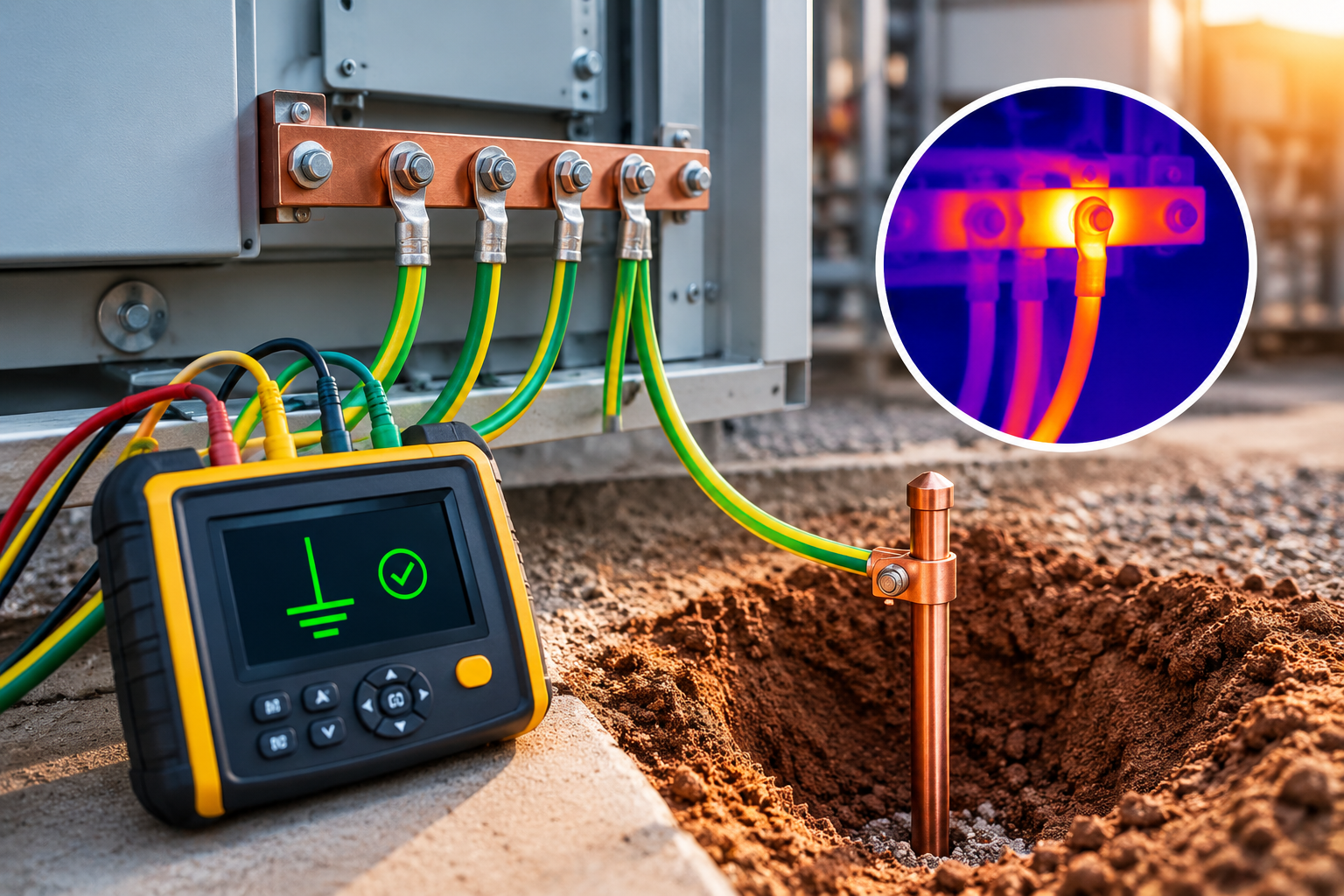
Cable Testing Methods for Different Electrical Requirements
1. Insulation Resistance Testing
This test measures the resistance of insulation between conductors and between conductors and earth. It helps identify possible insulation deterioration, moisture-related concerns and contamination.
2. Cable Continuity Testing
Continuity testing checks whether the electrical path through a conductor is complete. It can help identify open circuits, broken conductors and connection-related problems.
3. High Voltage Cable Testing
High voltage cable testing involves suitable test methods for assessing the condition of cables designed for higher operating voltages. The method and test voltage must be selected according to cable specifications, applicable standards and manufacturer guidance.
4. Cable Fault Location Testing
When a cable develops an underground or concealed fault, specialised fault-location methods can help estimate the affected section. The technique used depends on cable construction, fault characteristics and site conditions.
5. Cable Sheath Testing
Sheath testing helps assess the condition of the outer protective layer of suitable cable types. Damage to the sheath may allow moisture or other contaminants to enter and affect the cable over time.
6. Cable Diagnostic Testing
For certain cable systems, advanced diagnostic methods may provide additional information about insulation condition. The suitability of these methods depends on cable design, age, operating voltage and the purpose of the assessment.
Frequently Asked Questions (FAQ)
1. How do I know whether an electrical cable has an internal fault?
Repeated tripping, unexpected power interruptions, insulation-related issues, overheating near connections and abnormal electrical readings may indicate a cable problem. Suitable testing is required to confirm the condition.
2. Can cable testing detect faults in underground cables without digging up the entire route?
Yes. Suitable electrical fault-location techniques can help estimate the distance to a fault and narrow down the affected section. Excavation may still be required to access and repair the identified area.
3. What is the purpose of insulation resistance testing in cables?
It measures the resistance of insulation between conductors and between conductors and earth. The results help assess insulation condition and identify possible deterioration or moisture-related concerns.
4. Can an old cable be tested before deciding whether to replace it?
Yes. Testing can provide useful information about the cable’s present electrical condition. Replacement decisions should also consider cable age, loading, installation environment, physical condition and applicable safety requirements.
5. Is cable testing required after installing a new electrical cable?
Appropriate testing before energisation helps verify continuity, insulation condition and other installation-related requirements. The exact tests depend on the cable type and applicable procedures.
6. What is the difference between cable continuity testing and insulation resistance testing?
Continuity testing checks whether the conductor provides a complete electrical path. Insulation resistance testing evaluates the resistance of insulating material between conductors and earth. Both tests examine different aspects of cable condition.
Contact Risha Power Solution for Cable Testing Services
A dependable electrical network requires cables that are suitable for their operating conditions and maintained in an appropriate state. Identifying cable defects early can help reduce unexpected interruptions and support better maintenance decisions.
Risha Power Solution & Constructions provides Cable Testing Services in Nizamabad for industrial, commercial and infrastructure requirements. From insulation assessment and continuity checks to underground cable fault investigation, we can help you understand the testing requirements for your installation.
If you are planning a new cable installation, investigating a suspected fault or reviewing an existing power distribution network, contact our team to discuss your project.
About Us
Risha Power Solution and Constructions takes this opportunity to introduce ourselves as a Safety, Health, Hygiene, Risk, and Environmental Management company based in Hyderabad, India.